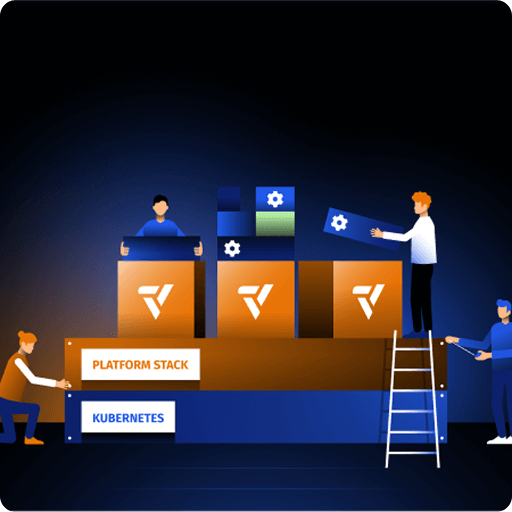
How to balance flexibility, security, and cost efficiency in Kubernetes platforms
Deployment strategies: Cloud vs. On-Prem, and DIY solutions
Single vs. multiple clusters: Pros, cons, and cost optimization
Practical tips for workload segregation and security with RBAC
Tools and techniques for building a scalable multi-tenant Kubernetes platform
Building and Scaling Kubernetes Platforms
This is a 2-part series hosted by vCluster


Balancing Flexibility, Security, and Cost Efficiency in your Kubernetes Platform
In the first part of this series we are going to take a look at some of the considerations when building out a Kubernetes Platform. We will discuss Flexibility, Security, and Cost Efficiency.
Flexibility: Choose between cloud or on-prem, DIY solutions, and use of namespaces/vClusters for user isolation.
Security: Balance productivity and security, start with simple steps, and invest in RBAC.
Cost Efficiency: Optimize cluster numbers, compare hosted vs. DIY, and manage costs effectively.
Overall: Evaluate deployment options, prioritize security, optimize costs, and ensure user isolation.


Single vs Multiple Kubernetes Clusters: Building the right Platform
Now that you support more users on your Kubernetes Platform, how do you scale cost-effectively? Should you use a single cluster and split it up, or create multiple clusters for different use cases?
Single Cluster: Use a multi-cluster platform within a single cluster for cost optimization and easier management.
Multiple Clusters: Assign dev/test/preview environments to separate clusters for regional control and minimal platform management.
Production vCluster: Use vClusters in production for scalability and isolation across single or multi-cluster setups.
Overall: Decide on single vs. multiple clusters, manage regional control, ensure scalability, and optimize for cost and management.